
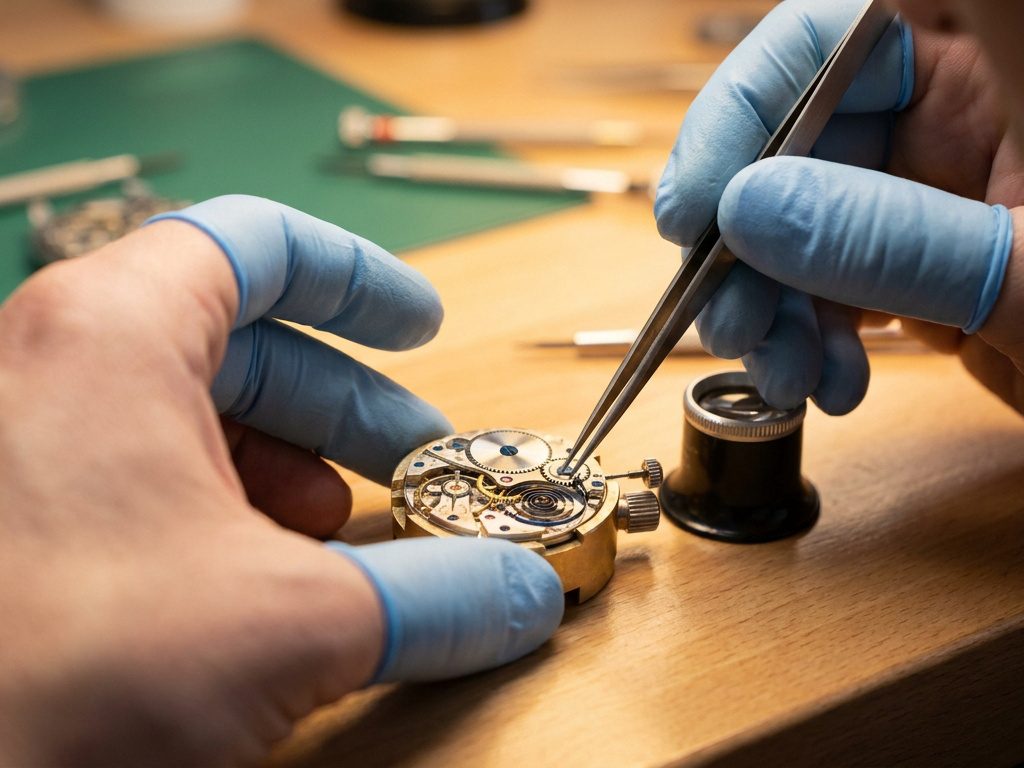
A mechanical watch relies on a mainspring storing energy for 18 to 36 hours, acting as the very heart of its intricate movement. However, we often find ourselves facing a stopped timepiece or a stiff crown, fearing that a single wrong move might snap the delicate internal mechanism. Knowing exactly how to wind a mechanical watch is therefore a fundamental skill for any enthusiast who wishes to preserve the longevity and accuracy of their collection.
We will explore the precise techniques for both manual and automatic calibers to ensure you handle your timepiece with the respect and care it deserves.
How to Wind a Mechanical Watch Expertly
Mechanical watches rely on a mainspring storing energy for 18 to 36 hours. Proper winding requires 20 to 40 clockwise turns of the crown off-wrist to prevent stem damage and ensure optimal torque for timekeeping accuracy.
Understanding the delicate transition of energy within the movement begins with the very source of its life: the mainspring.
The Role of the Mainspring in Power Reserve
The mainspring serves as the movement heart. It coils tightly to store potential energy. This energy release powers the gears.Energy flows from the barrel to the escapement. This regulated release ensures the hands move at a steady, precise pace.
Spring tension directly impacts chronometric results. A nearly empty spring provides less torque. This can cause the watch to lose time. Keeping the tension high maintains better accuracy throughout the day. While the internal tension dictates precision, the method by which we supply this energy defines the two primary categories of horological engineering.
Distinguishing Manual Movements from Self-Winding Rotors
Manual calibers require human intervention to function. You must turn the crown yourself. In contrast, automatic systems use a weighted rotor to wind the spring while you move your arm.
Looking through a sapphire caseback reveals the architecture. Manual movements look open and clean. Automatic movements feature a large oscillating weight that covers half the mechanism at any given time.
Energy storage differs significantly between these two. One relies on a routine. The other thrives on your physical activity. We generally distinguish between these two main types of mechanical watches to determine the appropriate care required.
Step-by-Step Manual for Handling the Crown Safely

Understanding the mechanics is one thing, but physical handling requires a delicate touch to avoid costly repairs.
Handling the Crown and Stem with Precision
For diving models, start by unscrewing the crown counter-clockwise. It will pop out slightly when released. This position is where you begin the actual winding process for the movement. The winding stem is incredibly thin and fragile. Internal gaskets ensure water resistance but can wear down. Always push the crown back in firmly after you finish your daily winding.
Clockwise Rotation and the Tactile Sensation of Tension
Turn the crown clockwise to engage the gears. You will hear a light clicking sound during each full rotation.
Feel the increasing resistance as the spring tightens. Use smooth, steady movements rather than rapid jerks. This protects the teeth of the winding pinion. Stop immediately if the resistance becomes too high.
Setting the Time Correctly After a Complete Stop
Pull the crown to the furthest position to set the hands. Move them forward to avoid stressing the calendar works. Syncing the seconds hand requires precise timing against a reference.
Avoid changing the date between 9 PM and 3 AM. The gears are already engaged for the midnight switch. Forcing it during this window can break the date wheel teeth.
3 Signs That Your Watch Is Fully Wound
Once the crown is moving, you need to recognize the specific signals that tell you the power reserve is at its peak.
How the Slipping Clutch Saves Automatic Watches
Automatic watches feature a slipping clutch mechanism. This prevents the mainspring from breaking under too much tension. It allows the rotor to spin freely even when the watch is fully charged.
You will never feel a hard stop on an automatic. Instead, listen for a very faint click. This indicates the spring is sliding inside the barrel to release excess energy.
Identifying the Hard Stop in Manual Movements
Manual watches behave differently at the end of the wind. You will feel a clear, physical resistance. The crown will simply refuse to turn any further without significant force.
We must emphasize that you should never force the crown. Snapping the mainspring requires a costly professional repair. Always stop as soon as you feel the mechanism tighten.
The Risks of Winding While Wearing the Watch
Never wind your watch while it stays on your wrist. This creates lateral pressure on the winding stem. It is the easiest way to bend the tube or damage the seals. Always take the piece off before touching the crown. This ensures a straight, even pull on the stem. It also allows you to feel the resistance much more accurately.
Does Leaving a Watch Unwound Cause Damage?
Beyond the daily act of winding, long-term maintenance habits define how long your timepiece will actually last.
Why a Daily Morning Routine Improves Chronometry
Winding your watch every morning creates a stable energy flow. The spring stays at its optimal tension during your active hours. This consistency helps the balance wheel maintain a steady beat. Torque fluctuates as the spring unwinds. By winding daily, you minimize these variations. Your watch will stay much more accurate.
We have observed that establishing this ritual protects the heart of the movement from irregular power delivery.
- Consistent torque
- Better daily accuracy
- Habit prevents the watch from stopping unexpectedly
Long-Term Storage and Occasional Movement Exercise
Modern synthetic oils do not dry up like old animal fats. However, parts still need to move to stay lubricated. Static watches can develop small points of friction over time.
Wind your stored watches at least once a month. This keeps the lubricants distributed across the gears. For automatic collections, a watch winder is a practical tool but not strictly necessary. To preserve the mechanical integrity of your investment, experts suggest that a timepiece should be wound at least once a week.
Mastering how to wind a mechanical watch ensures consistent torque, superior accuracy, and long-term movement health. By establishing a daily morning routine off-wrist and respecting the crown’s resistance, you preserve your timepiece for future generations. Embrace this elegant ritual today to keep your watch beating with timeless precision.
FAQ
How should one properly wind a mechanical watch to ensure its longevity?
To breathe life into your timepiece, we recommend holding it firmly in one hand after removing it from your wrist to avoid any lateral pressure on the winding stem. For watches equipped with a screw-down crown, gently unscrew it counter-clockwise until it pops into the winding position, then rotate it steadily in a clockwise direction. We suggest performing between 20 and 40 full rotations to ensure the mainspring is sufficiently energized to provide optimal torque and chronometric precision.
Is it possible to overwind a mechanical timepiece and cause internal damage?
The risk depends entirely on the nature of your watch’s movement. In a manual caliber, you will eventually encounter a distinct “hard stop” where the crown refuses to turn further; it is vital that you never force the mechanism beyond this point to avoid snapping the delicate mainspring. Conversely, automatic watches are ingeniously designed with a slipping clutch that allows the spring to slide safely within the barrel once fully charged, preventing any risk of over-tensioning regardless of how much you wind or move.
What are the primary differences between manual and self-winding movements?
Manual movements represent a beautiful ritual, requiring us to intervene personally by turning the crown to store energy within the barrel. They offer a clear view of the movement’s architecture, often visible through a sapphire caseback. Automatic movements, however, utilize a weighted rotor that spins with the natural motion of your arm to wind the spring. While both rely on a mainspring for power, the automatic version provides the convenience of passive charging, whereas the manual caliber thrives on a deliberate, daily connection between the owner and the machine.
Why is it recommended to establish a consistent morning winding routine?
Establishing a morning ritual ensures that your watch begins its day with maximum tension, providing the most consistent torque to the balance wheel during your active hours. As the spring unwinds, the energy flow can fluctuate, which may slightly impact accuracy; by winding it at the same time each day, we maintain a stable beat and prevent the movement from stopping unexpectedly. This habit not only preserves the precision of the gears but also serves as a daily moment of appreciation for the mechanical marvel on your wrist.
Should a mechanical watch be wound even when it is not being worn?
Even when a timepiece is resting in a collection, we advise winding it at least once a month, or ideally once a week, to keep the internal lubricants properly distributed across the gear train. Modern synthetic oils are remarkably stable, yet static components can still develop minor points of friction if left immobile for years. A brief winding session acts as a healthy exercise for the movement, ensuring that the escapement and wheels remain fluid and ready for service whenever you choose to wear the piece again.
What precautions should be taken when setting the time and date?
When adjusting the hands, always pull the crown to its furthest position and move them forward to respect the natural flow of the gear train. We must be particularly cautious with the date function: avoid making adjustments between 9 PM and 3 AM. During this window, the calendar gears are already engaged for the midnight transition, and forcing a change manually can easily damage the delicate teeth of the date wheel. Taking these small precautions will safeguard the intricate mechanical harmony of your watch for years to come.
